
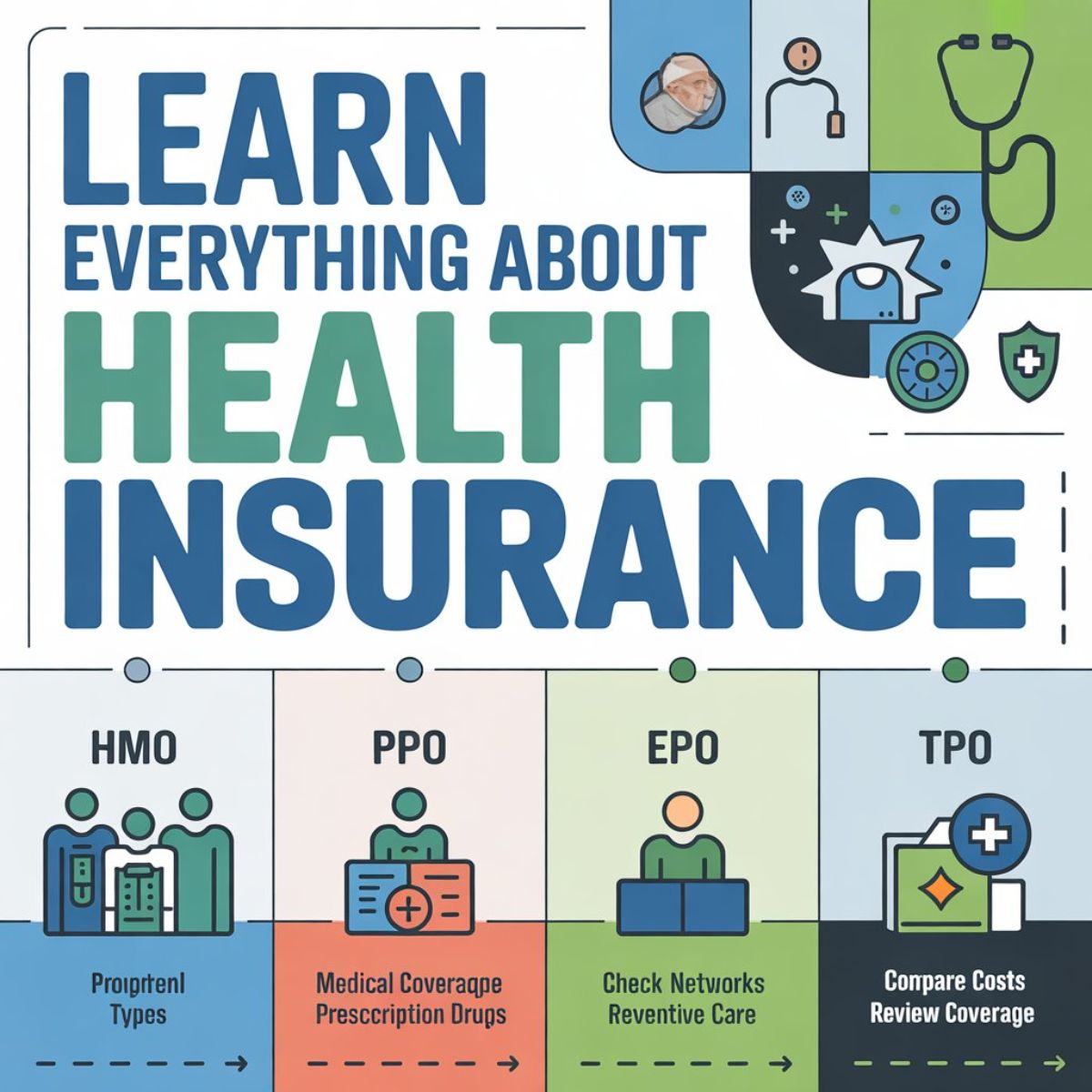
In today’s fast-paced world, health emergencies can strike unexpectedly. Medical bills are rising, and without proper health insurance, one serious illness or accident can have devastating financial Health Insurance: A Complete Guide to Protecting Your Health and Finances

In today’s fast-paced world, health emergencies can strike unexpectedly. Medical bills are rising, and without proper health insurance, one serious illness or accident can have devastating financial consequences. Health insurance is more than just a safety net; it is a smart financial tool that ensures access to quality healthcare without worrying about high costs. In this article, we will explore everything you need to know about health insurance, its benefits, types, and tips for choosing the right plan. By understanding how health insurance works, you can make informed decisions that protect both your health and your wallet.
What is Health Insurance?
Health insurance is a contract between an individual and an insurance company that provides financial protection against medical expenses. When you pay a monthly premium, the insurance company agrees to cover a portion or all of your medical costs depending on your policy. This coverage can include hospitalization, surgeries, doctor visits, prescription medications, and sometimes even alternative treatments like physiotherapy or mental health counseling.
The main purpose of health insurance is to reduce the financial burden caused by medical emergencies, making healthcare more accessible and affordable for everyone. Without it, even minor health issues can turn into serious financial problems.
Why Health Insurance is Important
Health insurance is not just a financial tool; it is a crucial part of a healthy lifestyle. Here’s why it is essential:
1. Protects Against High Medical Costs
Medical treatment can be extremely expensive, especially in the case of major surgeries, chronic illnesses, or long-term hospitalization. Health insurance ensures that you do not have to pay the full amount out-of-pocket. It covers hospitalization, diagnostic tests, and other medical services, depending on your plan. Imagine a situation where a heart surgery costs thousands of dollars—insurance helps manage such costs effectively.
2. Access to Quality Healthcare
With health insurance, you have access to a network of doctors, hospitals, and specialists. Insured individuals often receive faster treatment and better healthcare services compared to those without coverage. Many health insurance plans provide access to top hospitals and renowned medical professionals, which can be crucial during emergencies.
3. Promotes Preventive Care
Many health insurance policies cover preventive services like vaccinations, health screenings, and annual checkups. These preventive measures help in early detection of diseases, reducing the risk of serious health problems. Preventive care not only maintains your health but also prevents medical expenses from escalating in the future.
4. Peace of Mind
Health insurance offers peace of mind. You know that in the event of an emergency, your medical bills will be covered, allowing you to focus on recovery instead of financial stress. This mental security can improve your overall well-being, reducing anxiety about unforeseen health issues.
Types of Health Insurance
Health insurance is not one-size-fits-all. There are various types of health insurance plans designed to meet different needs and budgets. Understanding the types helps you choose the right coverage.
1. Individual Health Insurance
This plan covers a single person. It is ideal for people who are self-employed or not covered under an employer’s insurance plan. Premiums are based on age, health condition, and coverage. Individual health insurance offers flexibility in choosing doctors and hospitals, making it perfect for those with specific healthcare needs.
2. Family Health Insurance
Family health insurance covers all family members under one policy. This is cost-effective and ensures the entire family is protected in case of illness or accidents. Many families prefer this plan as it simplifies management and often reduces overall costs compared to individual plans for each member.
3. Employer-Sponsored Health Insurance
Many companies offer health insurance as a benefit to employees. These plans often cover a significant portion of premiums and provide comprehensive healthcare benefits. Employer-sponsored plans are usually more affordable than individual plans because the employer shares the cost.
4. Government Health Insurance
Government programs provide health insurance to eligible citizens, especially seniors, low-income families, and people with disabilities. Programs like Medicaid, Medicare, or state-specific schemes help ensure that healthcare is accessible to those who need it most.
5. Critical Illness Insurance
This type of health insurance provides a lump-sum payment in case of severe illnesses like cancer, heart attack, or stroke. It is designed to help cover treatment costs and maintain financial stability. People with a family history of serious illnesses often consider this type of insurance as an added layer of protection.
6. Senior Citizen Health Insurance
Senior citizens often face increased medical risks. Special health insurance plans for seniors cover age-related illnesses, regular checkups, and hospitalization costs. These plans are tailored to meet the needs of older adults and help maintain their quality of life.
Benefits of Health Insurance
Having health insurance comes with numerous benefits beyond financial protection:
- Lower Out-of-Pocket Expenses: Major medical treatments are expensive. Insurance reduces your personal spending.
- Access to Better Treatment: Insurance gives you access to top hospitals and specialists.
- Tax Benefits: Many countries offer tax deductions on health insurance premiums.
- Financial Security: Avoid debt due to medical emergencies.
- Mental Well-being: Knowing you are covered reduces stress and anxiety about unexpected health issues.
- Flexibility in Care: Some policies offer additional services like telemedicine, wellness programs, and second medical opinions.
Common Misconceptions About Health Insurance
Many people hesitate to buy health insurance due to misconceptions. Here are the facts:
- “I’m young and healthy, I don’t need it.” Illnesses and accidents can happen at any age. Having health insurance early can save huge costs later.
- “Insurance is too expensive.” The right plan can fit your budget and save you money in emergencies. Many affordable options exist for individuals and families.
- “Insurance won’t cover pre-existing conditions.” Some policies now include coverage for pre-existing illnesses after a waiting period.
- “I can pay out-of-pocket if something happens.” Medical costs are increasing rapidly. Even minor procedures can be financially draining without health insurance.
How to Choose the Right Health Insurance Plan
Choosing the right health insurance plan is essential for maximizing benefits. Here are some tips:
- Assess Your Needs: Consider your age, family size, lifestyle, and health conditions.
- Compare Plans: Look at premiums, coverage limits, and exclusions.
- Check Network Hospitals: Ensure your preferred hospitals and doctors are included.
- Understand Policy Terms: Read the fine print regarding deductibles, co-pays, and coverage.
- Consider Preventive Services: Check if routine checkups, vaccines, and screenings are included.
- Evaluate Customer Service: Choose an insurance provider with responsive customer support and easy claim processing.
- Read Reviews: Feedback from existing policyholders can reveal hidden benefits or issues.
Real-Life Examples
To understand the importance of health insurance, consider these scenarios:
- Example 1: A young professional suffers a car accident and needs surgery. Without health insurance, the medical bills could drain savings, but with insurance, most costs are covered.
- Example 2: A family with children needs routine vaccinations and doctor visits. Family health insurance covers these preventive services, reducing stress and financial burden.
- Example 3: An older adult diagnosed with a critical illness can rely on senior citizen health insurance to cover expensive treatment, maintaining financial stability.
These examples show that health insurance is not just for emergencies—it is a long-term investment in health and financial security.
Tips for Maximizing Health Insurance Benefits
- Regularly Review Your Policy: Make sure your coverage matches your current needs.
- Use Preventive Services: Early detection reduces treatment costs and improves health outcomes.
- Stay In-Network: Using network hospitals ensures maximum coverage and lower costs.
- Keep Documents Ready: Maintaining medical records and receipts simplifies claims.
- Leverage Add-On Benefits: Some policies offer wellness programs, mental health support, and telemedicine—use them fully.
Conclusion
In summary, health insurance is essential for protecting both your health and your finances. It provides access to quality medical care, lowers medical expenses, and gives peace of mind in times of uncertainty. Whether you choose individual, family, employer-sponsored, or government-backed health insurance, the key is to select a plan that suits your needs and ensures comprehensive coverage.
Investing in health insurance today is not just a financial decision; it is a step towards a healthier, more secure future. Don’t wait for an emergency—get covered and secure your health and your family’s well-being. Remember, the right health insurance policy is an investment in both your life and peace of mind