
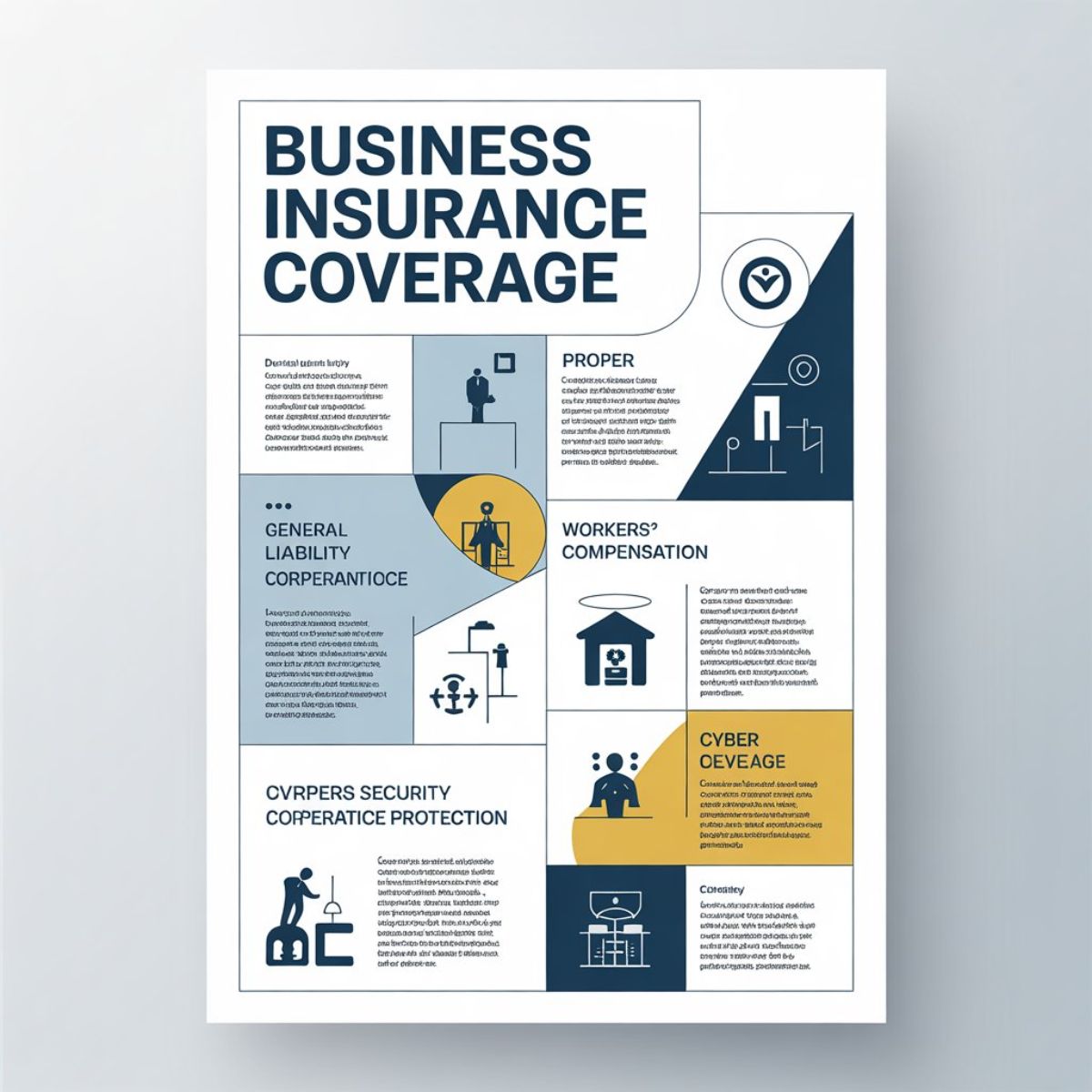
Running a business involves risk at every stage. Whether you operate a small startup or a growing company, unexpected events can cause serious financial damage. Accidents, legal claims, property damage, employee injuries, or natural disasters can disrupt operations and threaten business survival. This is why business insurance coverage is essential for long-term stability and growth.

Business insurance coverage protects companies from financial losses caused by unforeseen situations. Instead of paying large expenses out of pocket, business owners can rely on insurance to manage risks and continue operations smoothly. Choosing the right coverage allows businesses to focus on growth rather than worrying about uncertainty.
What Is Business Insurance Coverage
Business insurance coverage refers to a range of insurance policies designed to protect a business from various risks. These policies cover losses related to property damage, legal liability, employee-related risks, and business interruptions. A business insurance policy works as a financial safety net that helps businesses recover quickly after unexpected events.
The right business insurance coverage depends on the nature of the business, its size, industry, and level of risk. A small retail store will have different insurance needs than a manufacturing unit or a service-based company. Proper coverage ensures that a business remains financially secure even during difficult times.
Why Business Insurance Coverage Is Important
Every business faces risks, regardless of how careful the owner is. A single lawsuit, accident, or disaster can result in huge financial losses. Business insurance coverage helps reduce these risks and protects the company’s assets, employees, and reputation.
Legal claims are one of the biggest threats to businesses. If a customer gets injured on business premises or claims damages due to faulty products or services, legal costs can be extremely high. Business insurance helps cover legal fees and compensation, preventing financial strain.
Insurance coverage also builds trust. Clients, investors, and partners feel more confident working with a business that is insured. It shows responsibility, professionalism, and long-term commitment.
Types of Business Insurance Coverage
Different types of business insurance coverage are available to protect businesses from specific risks. Understanding these types helps business owners choose suitable protection.
General Liability Insurance
General liability insurance is one of the most common types of business insurance coverage. It protects businesses against claims related to bodily injury, property damage, and personal injury caused to third parties. If a customer slips and falls at your workplace or your business causes damage to someone else’s property, this insurance helps cover legal and medical costs.
Property Insurance
Property insurance protects business-owned assets such as buildings, equipment, furniture, and inventory from damage caused by fire, theft, vandalism, or natural disasters. For businesses with physical locations, property insurance is critical for financial protection.
Professional Liability Insurance
Professional liability insurance, also known as errors and omissions insurance, protects service-based businesses from claims related to negligence, mistakes, or failure to deliver promised services. Consultants, lawyers, doctors, and IT professionals often rely on this coverage.
Workers’ Compensation Insurance
Workers’ compensation insurance covers medical expenses and lost wages for employees who get injured or sick due to work-related activities. It also protects employers from legal claims filed by injured employees. In many regions, this coverage is legally required.
Business Interruption Insurance
Business interruption insurance covers loss of income when business operations are temporarily stopped due to events such as fire, flood, or natural disasters. This type of business insurance coverage helps pay ongoing expenses like rent, salaries, and utilities during downtime.
Commercial Auto Insurance
Businesses that use vehicles for operations need commercial auto insurance. It covers vehicles used for deliveries, transportation, or client visits and protects against accidents, theft, and damage.
How Business Insurance Coverage Works
Business insurance coverage works by transferring financial risk from the business owner to the insurance company. The business pays a premium, and in return, the insurer agrees to cover losses specified in the policy. When a covered event occurs, the business files a claim, and the insurance company provides compensation based on policy terms.
Understanding policy limits, deductibles, and exclusions is important. Adequate coverage ensures that claims are processed smoothly and financial losses are minimized.
Factors That Affect Business Insurance Coverage Cost
The cost of business insurance coverage varies depending on several factors. Business size, industry type, location, number of employees, and level of risk all influence premiums. Businesses operating in high-risk industries usually pay higher premiums.
Revenue and claims history also affect insurance costs. Companies with previous claims may face higher premiums. However, maintaining safety standards and risk management practices can help reduce costs over time.
How to Choose the Right Business Insurance Coverage
Choosing the right business insurance coverage starts with understanding your business risks. Identifying potential threats helps determine what type of coverage is necessary. Comparing multiple insurance providers allows business owners to find competitive pricing and better policy terms.
Reading policy documents carefully ensures clarity about coverage, exclusions, and claim procedures. Consulting insurance professionals can also help tailor coverage based on business needs.
Benefits of Business Insurance Coverage
Business insurance coverage provides financial protection, legal security, and peace of mind. It helps businesses recover quickly after losses and ensures continuity of operations. Insurance also enhances business credibility and supports long-term planning.
With proper coverage, businesses can focus on growth, innovation, and customer satisfaction without constant fear of financial setbacks.
Common Misconceptions About Business Insurance
Many business owners believe insurance is unnecessary for small businesses, but small businesses are often more vulnerable to financial loss. Another misconception is that insurance is too expensive. In reality, customized business insurance coverage can be affordable and cost-effective.
Some believe that one policy covers all risks, but businesses often need multiple policies for complete protection. Understanding coverage options helps avoid underinsurance.
Role of Technology in Business Insurance Coverage
Technology has transformed the insurance industry. Online platforms allow businesses to compare policies, get quotes, and manage claims easily. Digital documentation and automated claims processing have improved efficiency and transparency.
Usage-based insurance and data-driven risk assessment help insurers offer customized business insurance coverage, benefiting both insurers and policyholders.
Legal Requirements and Business Insurance
Certain types of business insurance coverage are legally required in many regions. Workers’ compensation and commercial auto insurance are common legal requirements. Failing to comply can result in fines, penalties, or business shutdowns.
Understanding local regulations ensures legal compliance and protects businesses from unnecessary risks.
How to Maintain Effective Business Insurance Coverage
Regularly reviewing insurance policies ensures coverage remains relevant as the business grows. Updating insurance providers about changes in operations, revenue, or workforce helps maintain accurate coverage.
Risk management practices such as employee training, safety protocols, and regular inspections also help reduce claims and keep premiums manageable.
Is Business Insurance Coverage Worth It
Business insurance coverage is an investment in business survival and stability. While premiums may seem like an expense, the cost of being uninsured can be far greater. Insurance provides confidence to face challenges and ensures businesses can recover from unexpected events.
For any business, large or small, having the right insurance coverage is a smart and responsible decision.
Conclusion
Business insurance coverage plays a vital role in protecting businesses from financial loss, legal claims, and operational disruptions. It provides security, stability, and peace of mind in an unpredictable business environment. By understanding risks, choosing the right policies, and reviewing coverage regularly, businesses can safeguard their future.
Business insurance coverage is not just protection; it is a foundation for growth, trust, and long-term success.